
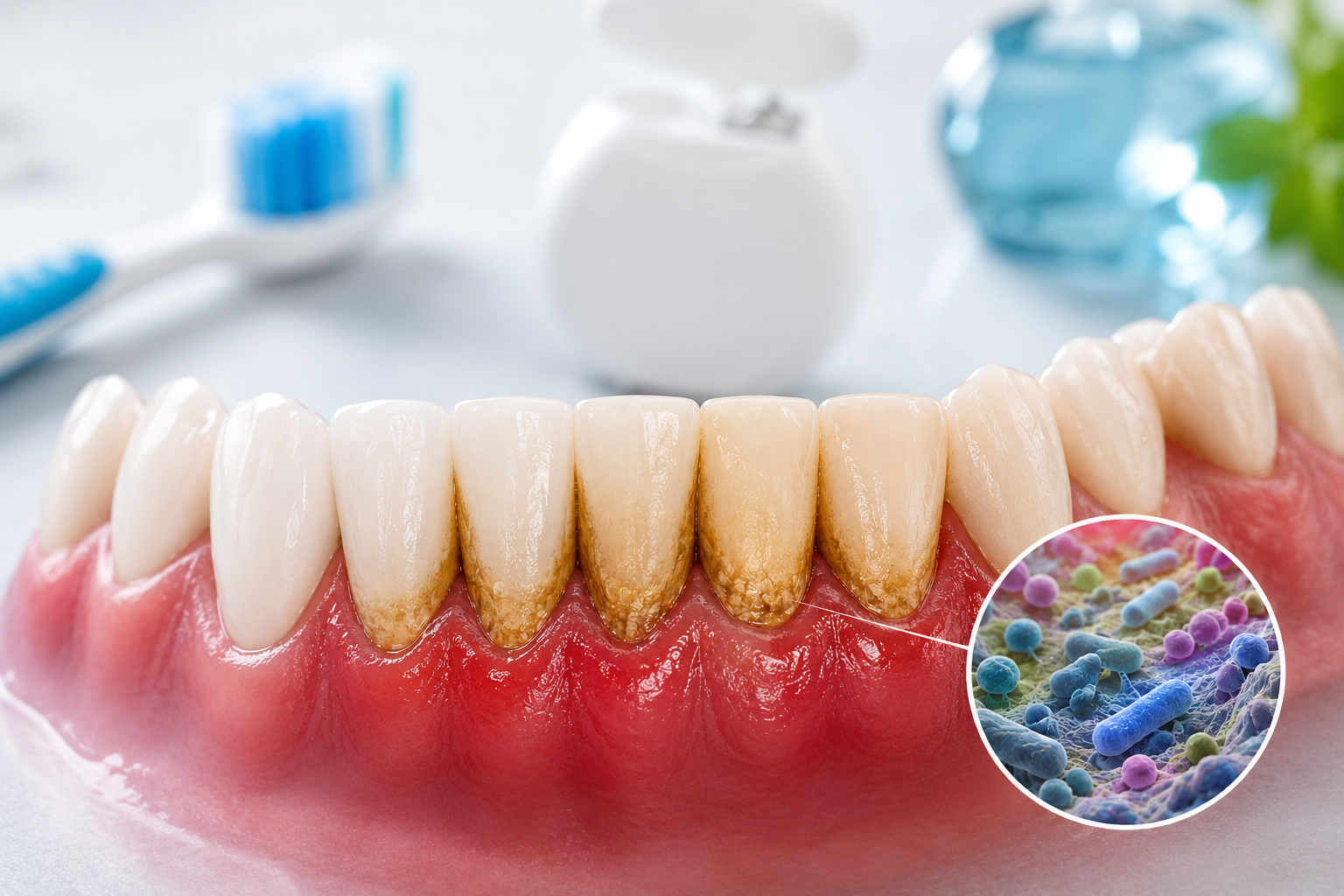
Most people think about brushing, flossing, cavities, and gum disease when they consider their oral health. But your mouth is also home to a large community of bacteria and other microorganisms that play an important role in keeping your teeth and gums healthy. This community is known as the oral microbiome. When it becomes unbalanced, certain harmful bacteria may become more active and contribute to problems such as bad breath, tooth decay, gum inflammation, and sensitivity. At Guelph Royal Dental Centre, helping patients understand the everyday factors that affect oral health is an important part of preventive dental care.
The good news is that supporting a healthier oral microbiome usually doesn’t require complicated products or drastic changes. Simple daily habits can make a meaningful difference.
What Is the Oral Microbiome?
Your oral microbiome is made up of hundreds of different types of microorganisms living on your teeth, tongue, gums, cheeks, and saliva.
Not all bacteria in your mouth are harmful. Many are part of a healthy oral environment and help maintain balance. Problems can develop when certain bacteria begin to multiply more than others.
This imbalance can be influenced by diet, dry mouth, poor oral hygiene, smoking, certain medications, illness, or frequent exposure to sugar and acidic drinks.
When the balance changes, plaque may become more harmful and increase the risk of cavities or gum disease.
Signs Your Oral Microbiome May Be Out of Balance
You cannot see your oral microbiome directly, but changes in your mouth may signal that something isn’t quite right.
Possible signs include:
- Persistent bad breath
- Gums that bleed when brushing or flossing
- Red, swollen, or tender gums
- Frequent cavities
- Increased tooth sensitivity
- A coated tongue
- Dry mouth
- An unpleasant or unusual taste
- Plaque that builds up quickly
These symptoms don’t always mean your oral microbiome is the cause. They can also be linked to other dental or health conditions, which is why a dental exam matters if symptoms continue.
Brush Thoroughly Without Overdoing It
Brushing twice a day with fluoride toothpaste remains one of the best ways to control plaque and protect your teeth.
However, brushing aggressively is not better. Using too much pressure can irritate the gums and wear down enamel near the gumline.
Choose a soft-bristled toothbrush and gently clean every surface of your teeth for about two minutes. Pay particular attention to the gumline, where plaque often accumulates.
Replacing your toothbrush or electric toothbrush head every three to four months is also a good habit.
Clean Between Your Teeth Every Day
A toothbrush cannot effectively reach the tight spaces between teeth. Bacteria and food particles can remain in these areas and contribute to plaque buildup.
Floss, interdental brushes, or another dentist-recommended cleaning method can help remove debris from places your toothbrush misses.
Daily interdental cleaning is especially important for reducing gum inflammation.
Limit Frequent Sugar Exposure
The amount of sugar you eat matters, but how often you consume it matters too.
When bacteria in dental plaque break down sugars, they produce acids that can temporarily lower the pH in your mouth. Frequent snacking on sugary foods or sipping sweetened beverages throughout the day repeatedly exposes your teeth to these acids.
Try to keep sweets and sugary drinks to mealtimes rather than consuming them continuously throughout the day.
Water is generally the best drink between meals.
Support Healthy Saliva Production
Saliva is one of your mouth’s natural protective systems. It helps wash away food particles, neutralize acids, and maintain a healthier environment for teeth and gums.
If your mouth often feels dry, drinking water throughout the day may help. Sugar-free chewing gum can also stimulate saliva production for some people.
Discuss persistent dry mouth with your dentist because medications, medical conditions, dehydration, and other factors may contribute to the problem.
Eat a Balanced Diet
A varied diet that includes vegetables, proteins, healthy fats, dairy products when appropriate, and other nutrient-rich foods can support your overall health as well as your teeth and gums.
Crunchy vegetables can also increase saliva flow while chewing.
Try to reduce frequent consumption of highly processed snacks, sticky sweets, soft drinks, and other foods that provide bacteria with a regular source of fermentable carbohydrates.
Be Careful With Strong Mouthwashes
Mouthwash can be useful in certain situations, but stronger is not always better.
Some therapeutic mouth rinses are designed for specific dental conditions and may be recommended for limited periods. Using antibacterial products unnecessarily may not be appropriate for everyone.
If you are unsure which mouthwash to choose, ask your dental team rather than selecting a product based only on advertising.
A dentist at Guelph Royal Dental Centre can recommend oral-care products based on your teeth, gums, medications, dry-mouth risk, and individual dental history.
Do Probiotics Help the Oral Microbiome?
Oral probiotics have received increasing attention, and some products are marketed specifically for gum health, breath, or cavity prevention.
Research into oral probiotics is ongoing, but they should not replace brushing, flossing, fluoride, professional cleanings, or necessary dental treatment.
If you are considering an oral probiotic, discuss it with your dentist to determine whether it suits your needs.
When Should You Visit a Dentist?
Don’t ignore changes in your oral health, especially if they last more than a few days.
Schedule a dental assessment if you notice persistent bleeding gums, ongoing bad breath, tooth pain, sensitivity, gum swelling, loose teeth, frequent cavities, or significant dry mouth.
A dentist can look for plaque buildup, tooth decay, gum disease, infection, enamel damage, and other possible causes.
Regular Dental Care Helps Maintain Balance
A healthy oral microbiome is supported by consistent habits rather than one special product. Brushing, cleaning between your teeth, limiting frequent sugar exposure, staying hydrated, and attending regular dental appointments all help create a healthier environment inside your mouth.
Professional examinations and cleanings also help identify problems early, before they become more uncomfortable or harder to treat.
If you have concerns about your gums, recurring cavities, bad breath, dry mouth, or your overall oral health, call 519-837-1870 to book an appointment with Guelph Royal Dental Centre.
DISCLAIMER: The advice offered is intended to be informational only and generic in nature. It is in no way offering a definitive diagnosis or specific treatment recommendations for your particular situation. Any advice offered is no substitute for proper evaluation and care by a qualified dentist.