
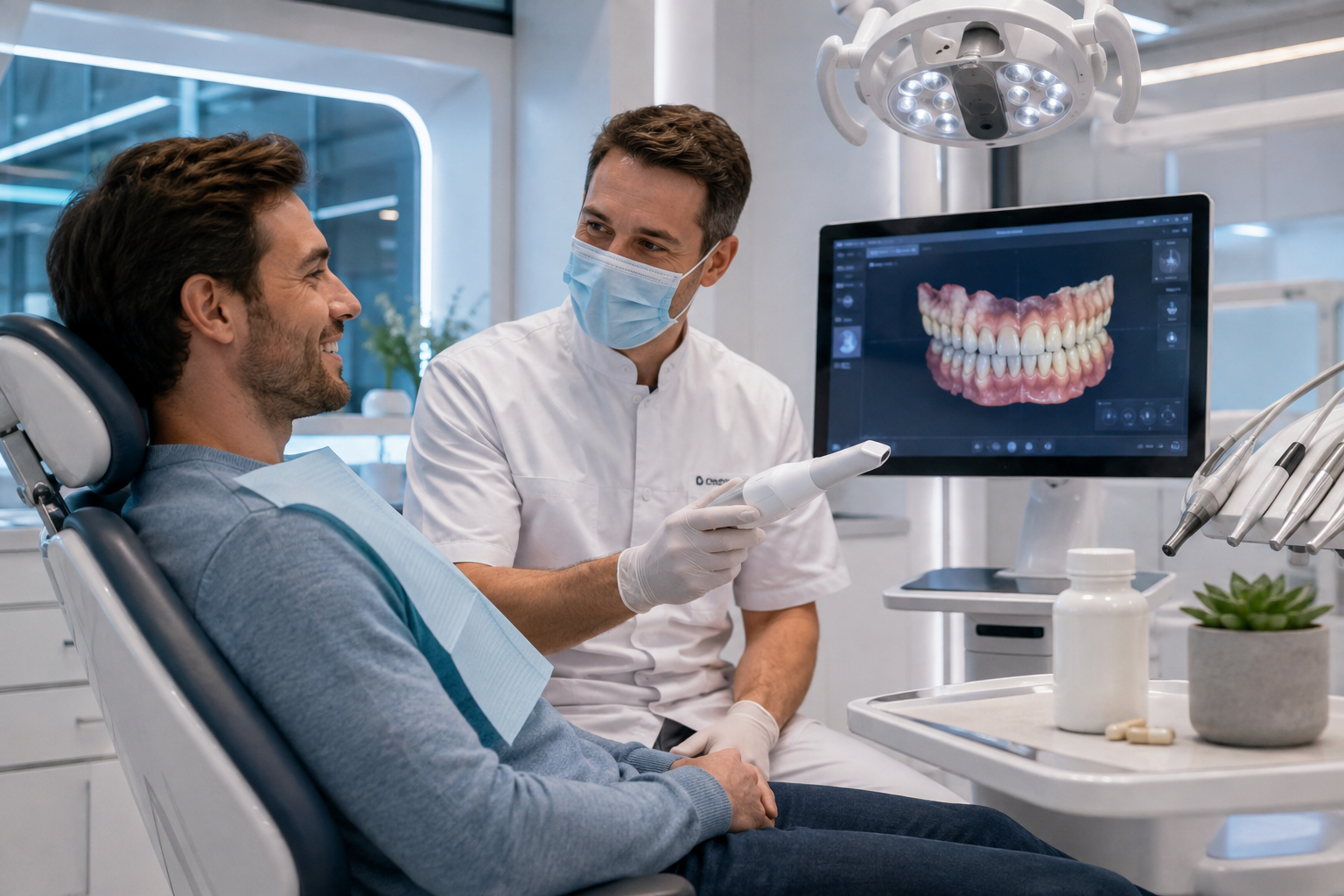
Most people associate probiotics with digestive health, but researchers are also exploring whether certain beneficial bacteria could support oral health. Since the mouth contains hundreds of different types of bacteria, maintaining a healthy balance may influence problems such as bad breath, gum inflammation, cavities, and plaque buildup. At Guelph Royal Dental Centre, patients often ask about new ways to protect their teeth and gums between regular dental visits, and oral probiotics are becoming an area of interest in preventive dental research.
While probiotics are not a replacement for brushing, flossing, or professional dental care, they may eventually become another useful addition to a good oral-health routine.
What Are Oral Probiotics?
Probiotics are live microorganisms that may provide health benefits when consumed in appropriate amounts. They are commonly found in foods such as yogurt and fermented products, as well as in dietary supplements.
Oral probiotics are somewhat different from probiotics designed primarily for digestive health. They usually contain specific strains of bacteria selected because researchers believe they may interact favourably with the bacteria naturally found in the mouth.
These products may come as lozenges, chewable tablets, powders, or other formulations that remain in contact with the mouth for a period of time.
The idea is relatively simple: encouraging beneficial bacteria may make it more difficult for certain harmful bacteria to become dominant.
Why Does the Balance of Bacteria in Your Mouth Matter?
Not all bacteria in the mouth are harmful. A healthy mouth naturally contains a large and diverse community of microorganisms.
Problems can develop when the balance changes and bacteria associated with tooth decay or gum disease become more active. Diet, oral hygiene, dry mouth, smoking, certain medications, and other factors can all influence this balance.
Harmful bacteria can contribute to plaque formation and produce acids after consuming sugars and carbohydrates. These acids may gradually weaken tooth enamel and increase the risk of cavities.
Other bacteria can irritate gum tissue, contributing to redness, swelling, bleeding, and, if left untreated, more advanced gum disease.
Researchers are studying whether probiotics could help create conditions that favour healthier bacteria.
Could Probiotics Help Prevent Cavities?
Some research has examined probiotic strains that may reduce levels of bacteria associated with tooth decay.
This does not mean that taking a probiotic will prevent cavities on its own. Tooth decay develops from several interacting factors, including diet, oral hygiene, saliva production, fluoride exposure, and how often teeth are exposed to sugars and acids.
Probiotics may eventually play a supporting role, but everyday habits remain much more important.
To lower your risk of cavities:
- Brush twice daily using fluoride toothpaste.
- Floss or clean between your teeth every day.
- Limit frequent sugary snacks and drinks.
- Drink plenty of water.
- Attend regular dental examinations and cleanings.
- Ask your dentist whether your individual risk of cavities requires additional preventive measures.
What About Probiotics and Gum Health?
Gum health is another promising area of probiotic research.
Early studies have investigated whether certain probiotic strains could help reduce bacteria associated with gingivitis and periodontal disease. Some researchers have also looked at whether probiotics may help reduce gum inflammation when combined with conventional dental treatment.
However, probiotics should never replace professional treatment when gum disease is already present.
If plaque and hardened tartar have accumulated around or below the gumline, professional cleaning is usually necessary. More advanced periodontal problems may require additional treatment.
Watch for symptoms such as:
- Bleeding when brushing or flossing
- Red, swollen, or tender gums
- Persistent bad breath
- Receding gums
- Teeth that appear longer than before
- Loose or shifting teeth
If these symptoms continue, schedule a dental assessment rather than trying to manage the problem with supplements alone.
Could Oral Probiotics Help With Bad Breath?
Persistent bad breath is often caused by bacteria that produce unpleasant-smelling compounds.
Because some probiotic strains may compete with these bacteria, researchers are investigating whether oral probiotics could help improve breath in certain people.
However, bad breath can have many causes. Poor oral hygiene, gum disease, dry mouth, tooth decay, infections, certain foods, tobacco use, and some medical conditions can all contribute.
If bad breath continues despite regular brushing, flossing, tongue cleaning, and adequate hydration, a dental examination can help determine the underlying cause.
Are Oral Probiotics Safe?
Many commercially available probiotic products are generally well tolerated by healthy adults, but not all have been studied to the same degree.
Different bacterial strains can have different effects, so don’t assume every probiotic product provides the same dental benefits.
People with certain medical conditions or weakened immune systems should speak with their healthcare provider before using probiotic supplements.
Patients interested in oral probiotics can also discuss them during a checkup at Guelph Royal Dental Centre to determine whether they make sense alongside their existing preventive dental routine.
What Matters More Than Probiotics?
Even if future research confirms stronger benefits from oral probiotics, the foundations of preventive dentistry are unlikely to change.
Regular brushing removes plaque from tooth surfaces. Flossing or other interdental cleaning removes bacteria and food debris from areas a toothbrush cannot easily reach. Fluoride helps strengthen enamel, while professional cleanings remove hardened deposits that home care cannot eliminate.
Regular dental examinations are also important because cavities and gum disease may develop before noticeable pain appears.
Finding these problems early can often make treatment simpler and help preserve more natural tooth structure.
When Should You Visit a Dentist?
Do not rely on probiotics or other supplements if you already have symptoms of a dental problem.
Arrange an examination if you experience ongoing tooth sensitivity, toothache, swollen or bleeding gums, persistent bad breath, changes in your bite, loose teeth, or visible damage to a tooth.
Even without symptoms, routine dental visits allow your dentist to monitor changes in your teeth, gums, bite, and overall oral health.
The Future of Probiotics in Dentistry
Oral probiotics are an interesting area of preventive dental research, particularly as scientists learn more about how oral bacteria influence dental health.
For now, probiotics are best viewed as a possible addition to established preventive habits rather than a replacement. Maintaining good daily oral hygiene, eating a balanced diet, reducing frequent sugar exposure, and keeping up with regular dental visits remain the most reliable ways to protect your smile.
If you have questions about probiotics, cavities, gum health, bad breath, or your current preventive dental routine, call 519-837-1870 to book an appointment and speak with the dental team at Guelph Royal Dental Centre.
DISCLAIMER: The advice offered is intended to be informational only and generic in nature. It is in no way offering a definitive diagnosis or specific treatment recommendations for your particular situation. Any advice offered is no substitute for proper evaluation and care by a qualified dentist.