
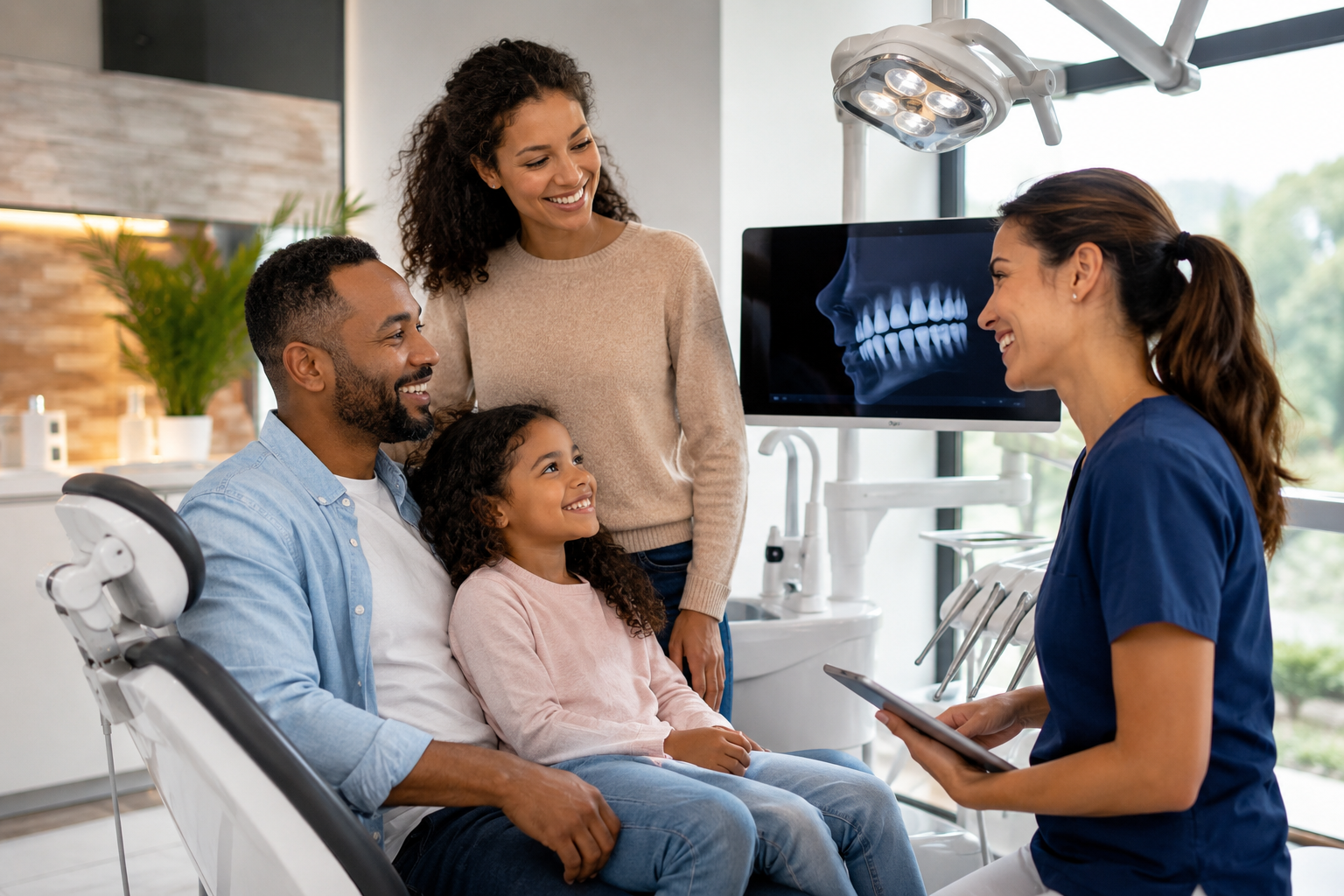
Dentistry has changed considerably in recent years. Many treatments are now more comfortable, efficient, and personalized than they were in the past. From digital impressions to improved preventive care, modern dental technology is helping patients better understand their oral health and feel more confident about treatment.
At Guelph Royal Dental Centre, patients can discuss dental options that may suit their individual needs. Although new technology can improve many aspects of care, regular examinations, professional cleanings, and good daily habits remain the foundation of a healthy smile.
Here are some of the most important modern dentistry trends patients should know about.
Digital Impressions Are Replacing Traditional Moulds
Traditional dental impressions usually involve biting into a tray filled with soft impression material. While this method is still used in some situations, many dental offices now use intraoral scanners to create a detailed digital model of the teeth.
During a digital scan, a small handheld device captures images of the inside of the mouth. These images are combined to produce a three-dimensional view of the teeth and gums.
Digital impressions may be used when planning:
- Dental crowns and bridges
- Clear aligner treatment
- Dental implants
- Nightguards
- Retainers
- Other customized dental restorations
For many patients, digital scanning is more comfortable than traditional impression materials. It also allows the dentist to enlarge the images and explain treatment recommendations more clearly.
Artificial Intelligence Is Supporting Dental Care
Artificial intelligence is becoming increasingly common in dentistry. It may be used to support dentists when reviewing digital X-rays, organizing patient information, planning treatment, and managing administrative tasks.
However, artificial intelligence does not replace the dentist’s professional training or judgment. Dental findings still need to be reviewed alongside the patient’s symptoms, medical history, examination results, and individual needs.
Professional dental organizations have also emphasized the importance of proper standards, privacy protection, transparency, and clinical oversight when artificial intelligence is used in dental care.
For patients, this technology may lead to clearer explanations and more informed conversations about their oral health.
Same-Day and Digitally Designed Restorations
Digital dentistry is also changing how crowns, veneers, inlays, and other restorations are created. Computer-aided design and manufacturing systems can help dental professionals design restorations using detailed digital information.
Depending on the treatment and available technology, some restorations may be completed more efficiently than with traditional methods. Digital workflows can also support communication between the dentist and the dental laboratory.
A digitally designed restoration still requires careful planning. The dentist must consider the condition of the tooth, the patient’s bite, the surrounding gums, and the amount of healthy tooth structure remaining.
Patients interested in crowns or other restorative treatments can ask Guelph Royal Dental Centre whether digital scanning or modern restorative options may be appropriate for them.
Greater Focus on Preventive Dentistry
One of the most valuable trends in modern dentistry is not a machine or computer program. It is the growing emphasis on identifying problems early and preventing them from becoming more serious.
Preventive dental care may include:
- Regular dental examinations
- Professional cleanings
- Digital dental X-rays when required
- Fluoride treatment
- Dental sealants
- Oral cancer screening
- Gum health assessments
- Personalized brushing and flossing advice
A small cavity may not cause noticeable pain. Early gum disease may also develop without obvious warning signs. Regular dental visits allow the dental team to look for changes that may be difficult to notice at home.
Early detection does not guarantee that treatment will be simple, but it can provide more options and may help prevent unnecessary discomfort or damage.
More Personalized Treatment Planning
Modern dentistry is becoming increasingly personalized. Rather than using the same approach for every patient, dentists consider factors such as age, medical history, oral hygiene, lifestyle, comfort level, treatment goals, and risk of future dental problems.
For example, a patient who frequently develops cavities may benefit from additional preventive support. Someone who grinds their teeth may need a custom nightguard. A patient with dental anxiety may require extra time, clear explanations, and a gradual treatment plan.
Personalized dentistry also means helping patients understand their choices. Before agreeing to treatment, patients should feel comfortable asking about:
- The purpose of the recommended procedure
- Alternative treatment options
- Expected benefits and limitations
- Treatment costs
- Recovery and aftercare
- What may happen if treatment is delayed
Good communication allows patients to take an active role in decisions about their oral health.
Clear Aligners and Digital Orthodontic Planning
Clear aligners remain a popular option for adults and teenagers seeking to improve the position of their teeth without traditional metal braces.
Digital scans may be used to create a customized series of aligners. Patients usually wear each set for a specified period before moving on to the next.
Clear aligners are not suitable for every orthodontic concern. Successful treatment also depends on wearing the aligners as directed and attending progress appointments. A dental examination is necessary to determine whether the teeth and gums are healthy enough to begin orthodontic treatment.
When Should You Visit a Dentist?
Modern technology can support dental care, but patients should not wait for a routine checkup when concerning symptoms appear.
Contact a dentist when you notice:
- Persistent tooth pain or sensitivity
- Bleeding, swollen, or tender gums
- A chipped, cracked, or loose tooth
- Facial or gum swelling
- Difficulty chewing or opening your mouth
- A sore or unusual patch that does not heal
- Ongoing bad breath
- Changes in the way your teeth fit together
Dental symptoms can have several possible causes. An examination is the most reliable way to identify the problem and determine whether treatment is needed.
Modern Care Still Begins With Everyday Habits
Even with advances in digital scanning, artificial intelligence, and restorative dentistry, daily oral hygiene remains essential. Brush twice a day with fluoride toothpaste, clean between your teeth every day, limit frequent sugary snacks and drinks, and attend regular dental appointments based on your dentist’s recommendations.
To learn more about modern dental care or arrange an appointment, contact the office at 519-837-1870 and speak with the team at Guelph Royal Dental Centre.
DISCLAIMER: The advice offered is intended to be informational only and generic in nature. It is in no way offering a definitive diagnosis or specific treatment recommendations for your particular situation. Any advice offered is no substitute for proper evaluation and care by a qualified dentist.